Car Key Replacement by Vehicle Brand — What Actually Differs
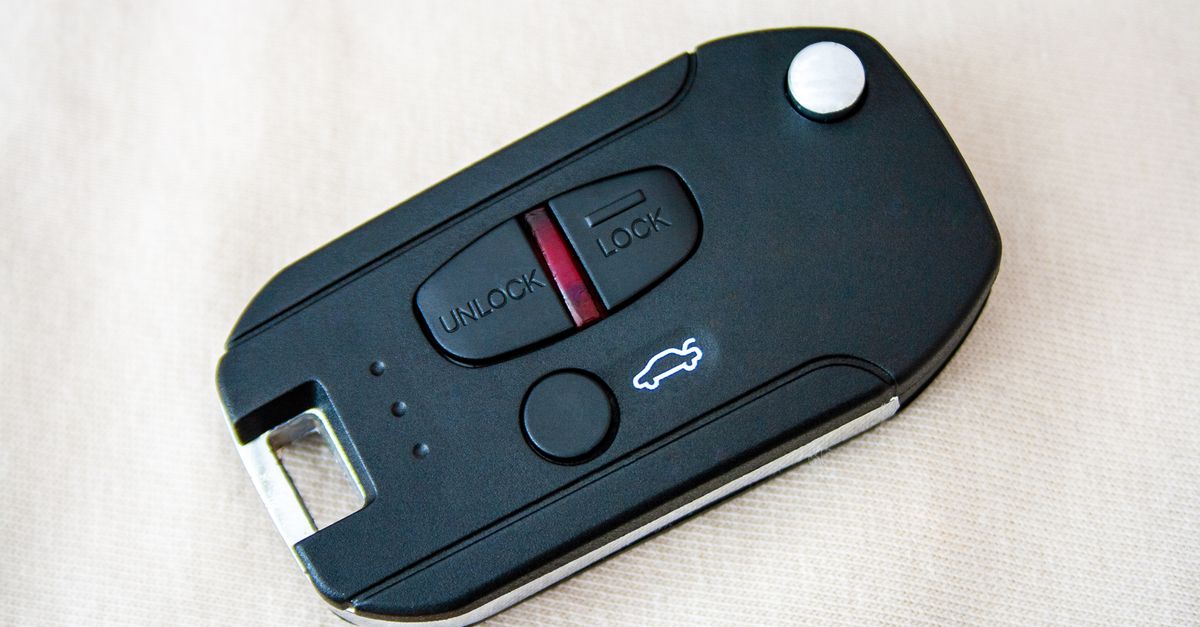
The cutting and programming process varies significantly depending on who manufactured your vehicle. Ford, GM, and Chrysler vehicles built after the mid-1990s use transponder keys that must be paired to the car's immobilizer module; skipping the programming step means the engine will crank but never start. Toyota and Honda models from the same era added rolling-code key fobs early on, and their newer proximity smart keys require on-board diagnostics port access to synchronize. European brands — BMW, Mercedes-Benz, Audi, and Volkswagen — frequently use high-security laser-cut or sidewinder blades alongside encrypted transponder chips that demand brand-specific software and seed-key calculations. Luxury brands like Lexus and Cadillac often combine a proximity fob with a hidden mechanical blade, so both the cut and the programming must be executed correctly. Our technicians arrive with multi-brand cutting machines and programming tools that span these platforms, which is what allows us to handle the job on a Clearwater side street just as effectively as a dealership service bay.
Domestic trucks and SUVs — popular throughout Pinellas County — present their own quirks. Many late-model Ford F-Series and GM trucks require the technician to program the new key while at least one working key is already present, or to perform an EEPROM-level read of the immobilizer module when all keys are lost. Our team is trained in both methods, so a total key loss on a work truck parked near the Clearwater Marine Aquarium does not automatically mean a multi-day dealership wait. We verify ownership documentation before any programming begins, protecting you and complying with industry best practices.