What Is a Mortise Lock and Why Clearwater Homes Still Rely on Them
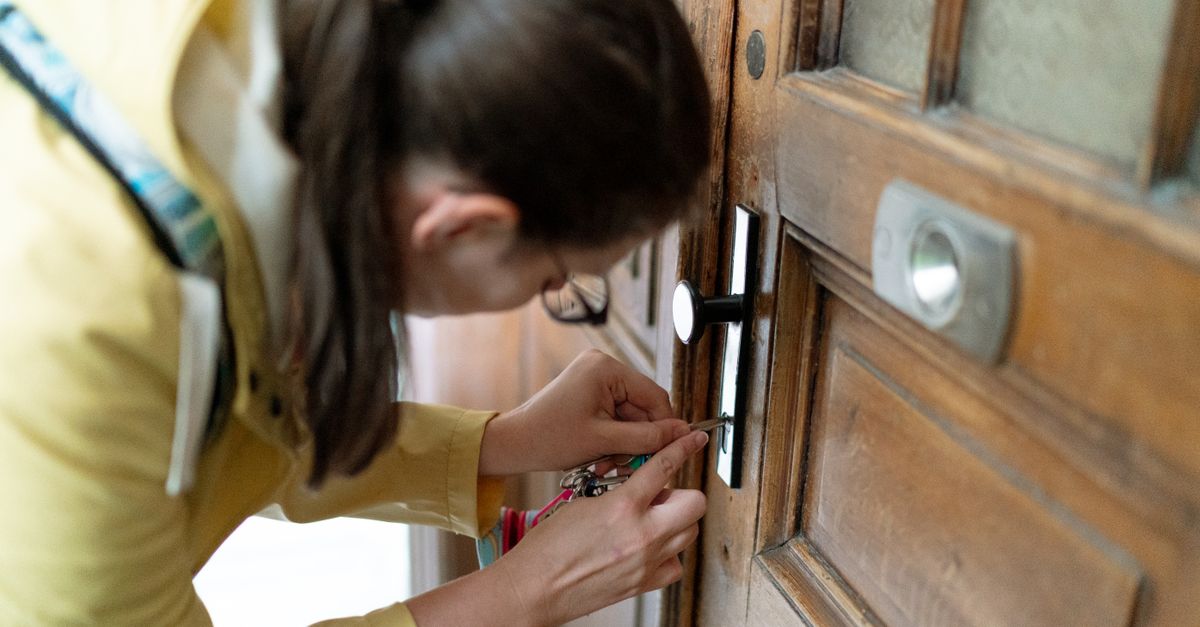
A mortise lock is a self-contained lock body — housing the latch, deadbolt, and often a privacy or passage function — that sits inside a precisely cut pocket, or mortise, in the edge of the door. Unlike a standard cylindrical knob lock that bolts onto the surface, a mortise mechanism is fully recessed, which distributes stress across the door stave and makes it significantly harder to kick in or pry. That structural advantage is a big reason so many Clearwater property owners with 1920s–1970s-era construction have chosen to keep them rather than retrofit newer hardware. You'll find them on the ornate front doors of historic Coachman Ridge properties, on heavy fire-rated condo corridor doors near Clearwater Beach, and on the steel-frame commercial storefronts along Cleveland Street.
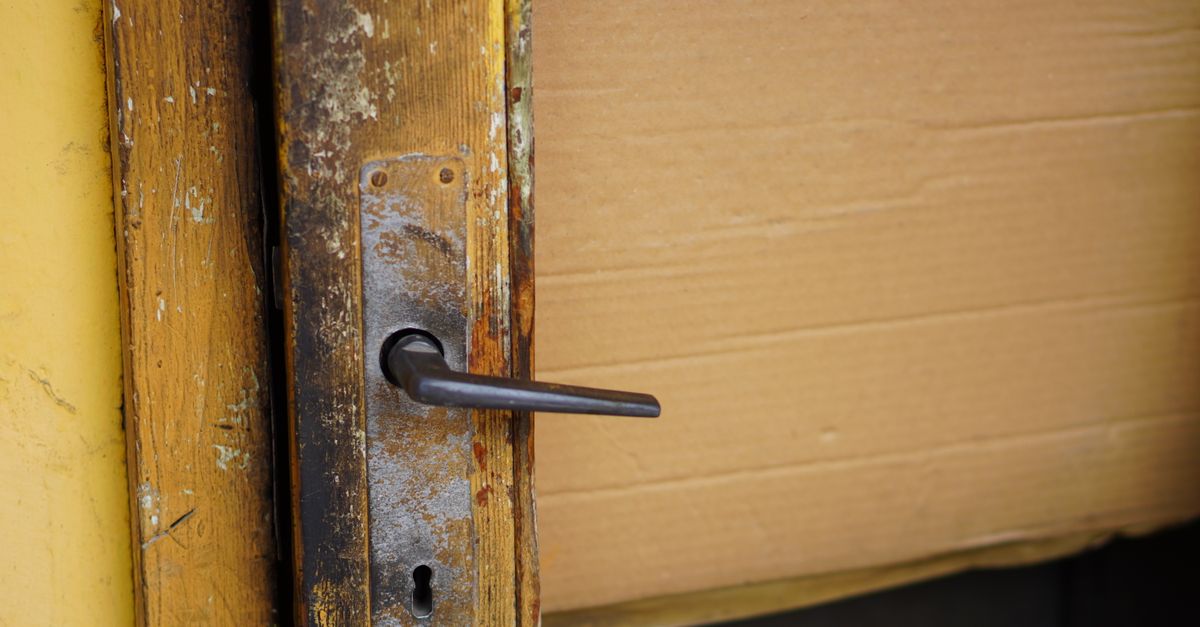
A standard mortise lock set on an exterior door consists of several parts working in unison: the lock body itself, a face plate, a strike plate, an escutcheon (the decorative trim plate), and a mortise lock cylinder — the plug that accepts the key. When any single component fails, the entire system can become unreliable. Worn springs cause latches that won't retract. A seized cylinder makes the key turn stiffly or not at all. A cracked escutcheon on a Baldwin mortise lock or a Corbin Russwin mortise lock unit telegraphs deferred maintenance that can affect resale value and insurance considerations. Identifying exactly which part has failed — and sourcing the right replacement — is where professional diagnosis pays off.