How Master Key Systems Are Structured for Clearwater Commercial Properties
A master key system is a keying hierarchy, not just a single key that opens everything. At the top sits the Grand Master Key (GMK), which opens every lock in the building or campus. Below that you may have Master Keys (MK) that open a defined group of locks — say, all doors on the second floor or all rooms within a single department. Individual Change Keys (CK) then open only one specific lock. The result is that a building owner holds a GMK, a department manager holds an MK covering only their zone, and each employee holds a CK for their own door. No one gets access beyond what their role requires. For larger Clearwater properties — think multi-building complexes near the Westfield Countryside mall corridor or hotel portfolios along Gulf-to-Bay Boulevard — a four-level hierarchy adding a Grand Grand Master is sometimes necessary.
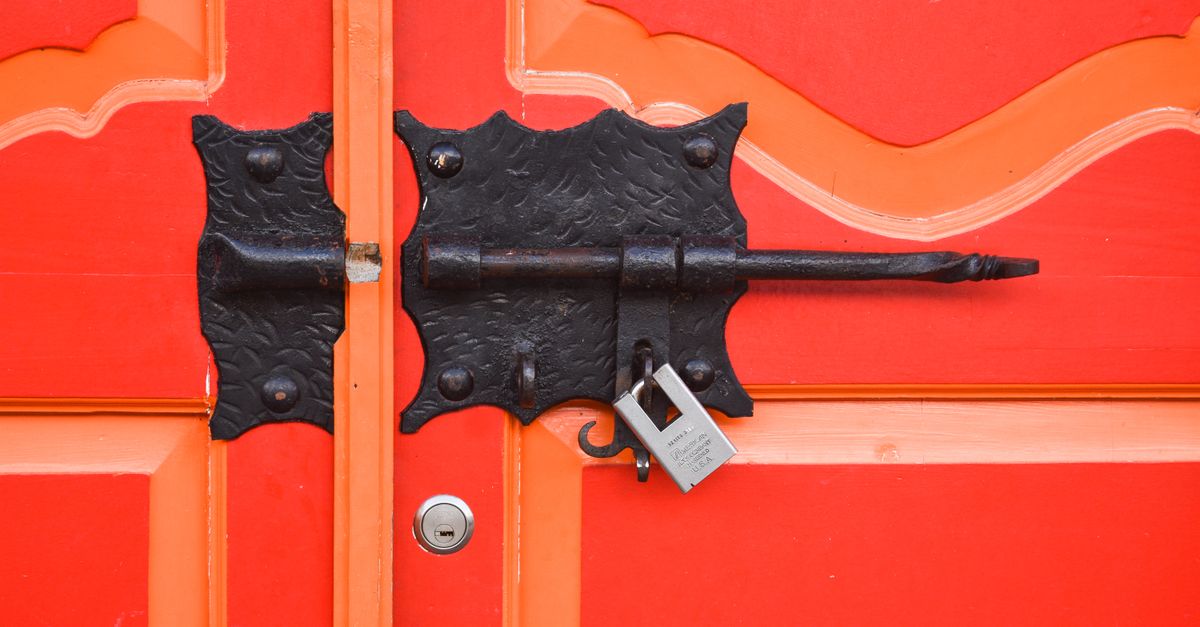
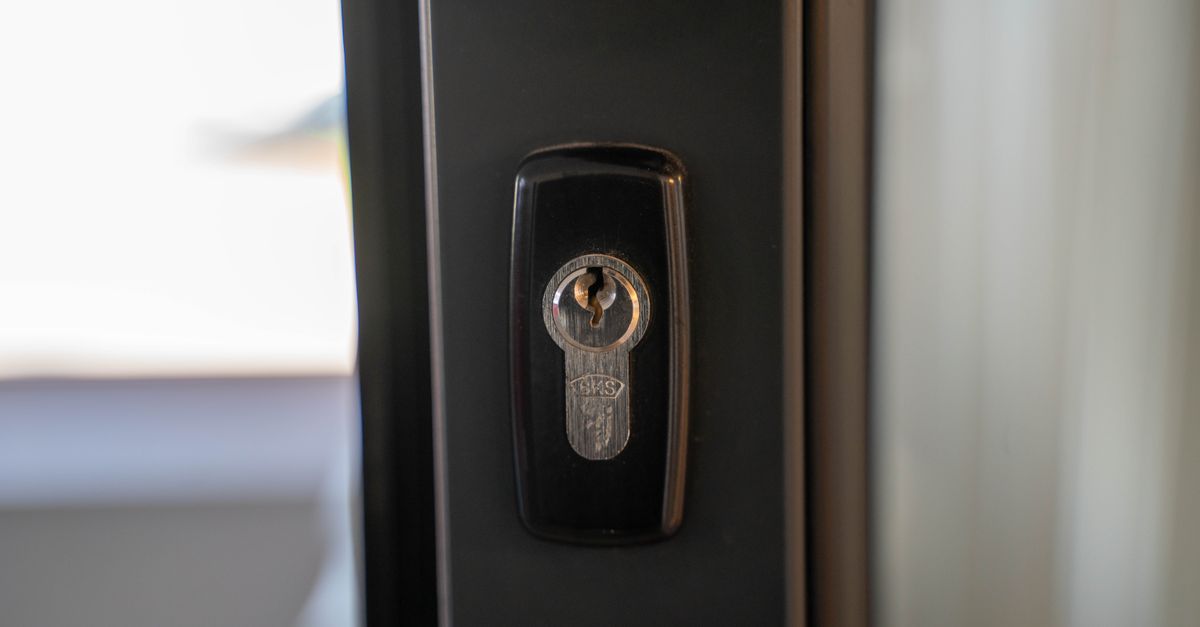
The mechanical foundation of this hierarchy lives inside the lock cylinder. Our technicians most commonly specify mortise lock cylinders for the primary access points in commercial builds because the mortise lock format allows precise pin-stack configuration across dozens of lock bodies while keeping every cylinder within the same keying family. Mortise hardware also provides the door strength that commercial door frames in Clearwater's salt-air climate demand — the robust body resists the corrosion and humidity cycling that can cause lighter deadbolt formats to bind over time. Door knob lock cylinders in lower-security interior zones are keyed into the same system, giving tenants a unified key experience throughout the property.