Access Control Installation: Keypads, Electric Strikes, and Mortise Locks Explained
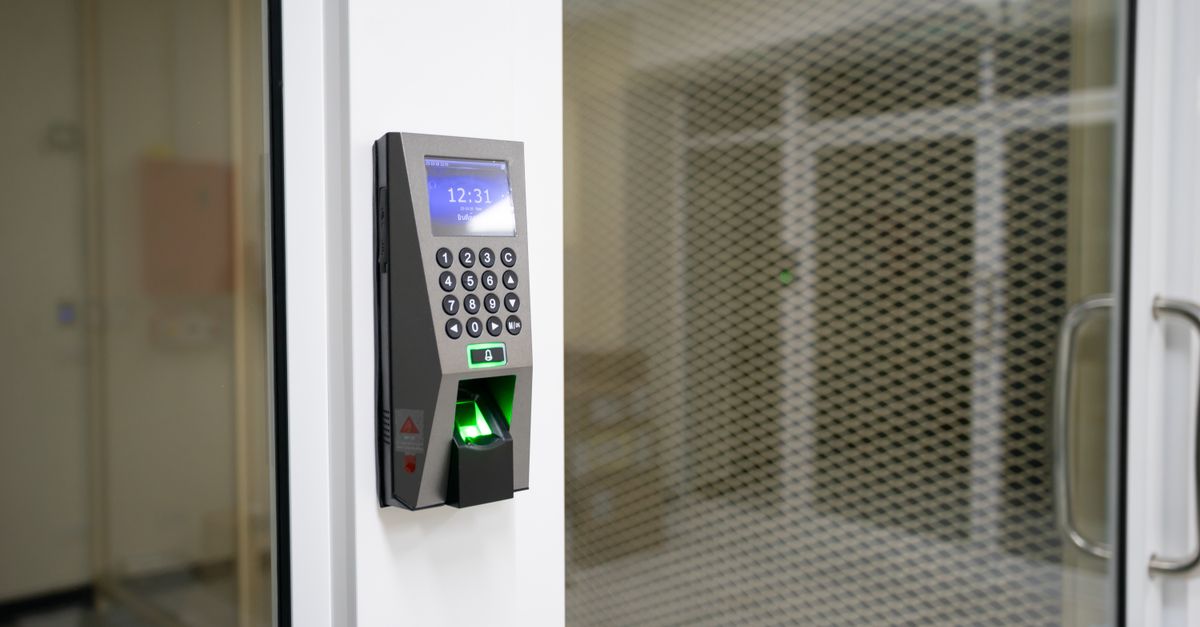
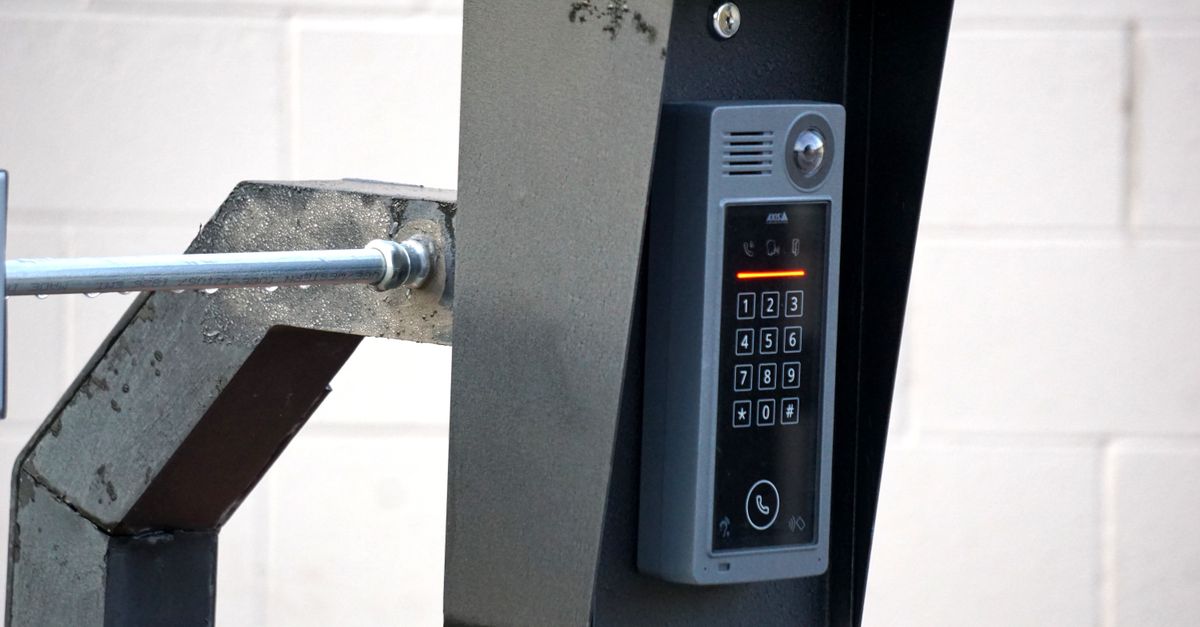
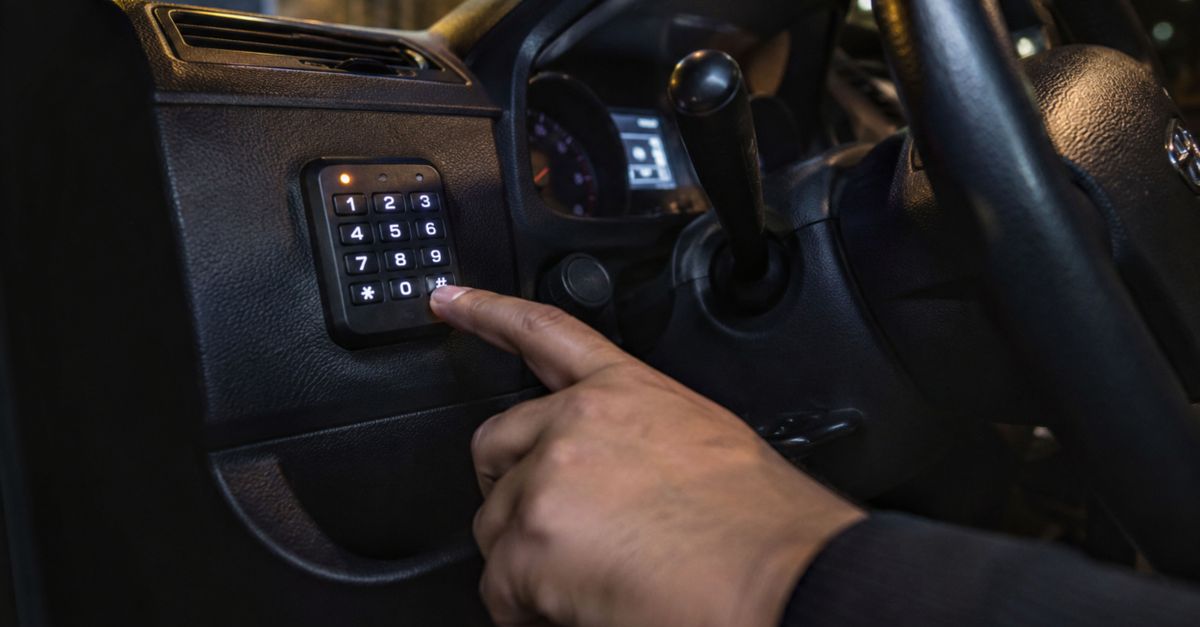
The three most common hardware layers in a commercial access control installation are the credential device, the locking mechanism, and the exit hardware. The credential device — a keypad, card reader, or fob reader — tells the system who is requesting entry. The locking mechanism, most often an electric strike or an access control mortise lock, physically releases or holds the door. The exit device, such as a push bar or push-paddle trim, ensures occupants can always leave quickly without a credential, which is both a code requirement and a basic safety standard.
For offices and storefronts in Clearwater, the right combination depends on door construction, daily traffic volume, and the level of audit trail you need. A solid-core commercial door in a professional services office is often best served by a full-function access control mortise lock — a single, integrated unit that handles the deadbolt, latch, and electronic release in one mortise pocket cut into the door edge. Storefronts with aluminum-frame glass doors, common along Gulf-to-Bay Boulevard, typically use a surface-mounted electric strike paired with a keypad or proximity reader because the thinner frame leaves little room for a full mortise body. Our technicians assess door material, frame depth, and existing prep before recommending any hardware, and we work damage-free wherever the existing door prep allows it.