A1 Clearwater Locksmith Service Team
Local locksmith team
Oct 2, 2026 10 min read
Stand at your front door right now and look at the hardware. Is there a round knob you grip and twist, or a boxy metal plate that houses the entire locking mechanism inside the door itself? Most Clearwater homeowners never think about this distinction — until they get locked out at midnight or realize their lock has been compromised. Knowing exactly what type of lock is on your door helps you make smarter security decisions, speeds up conversations with a locksmith, and even helps you spot vulnerabilities before a problem forces your hand.
This guide breaks down the two most common residential lock types — the mortise lock and the door knob lock — in plain terms. We'll explain how each one works, what makes one more secure than the other, and what to do the moment you need professional help. Whether you're on the east side of Clearwater near U.S. 19 or closer to the waterfront neighborhoods off Edgewater Drive, this information is meant to be immediately useful.
## What Is a Mortise Lock — and How Do You Know You Have One?
A mortise lock is a locking mechanism that sits inside a pocket — called a mortise — that is chiseled directly into the body of the door. Instead of just a knob or lever bolted to the surface, a mortise lock set includes a full steel case containing the latch, the deadbolt, and the lock cylinder, all housed within the door's edge. From the outside, you'll usually see a rectangular metal escutcheon plate running vertically along the door face, with a keyhole and a thumb-turn or lever handle built into it. If your door has that long, flat faceplate running several inches up and down rather than just a round knob collar, you almost certainly have a mortise lock.
Mortise locks are common in older Clearwater homes — especially in neighborhoods with pre-1980s construction — as well as in commercial doors, apartment entry doors, and any property where the previous owner prioritized security. Because the lock body is recessed deep into the door, the hardware is far harder to kick, pry, or wrench off. The steel case itself becomes part of the door's structure. This is a meaningful distinction, not just a cosmetic one.
## Door Knob Lock: The Most Common Lock Most Homeowners Overlook
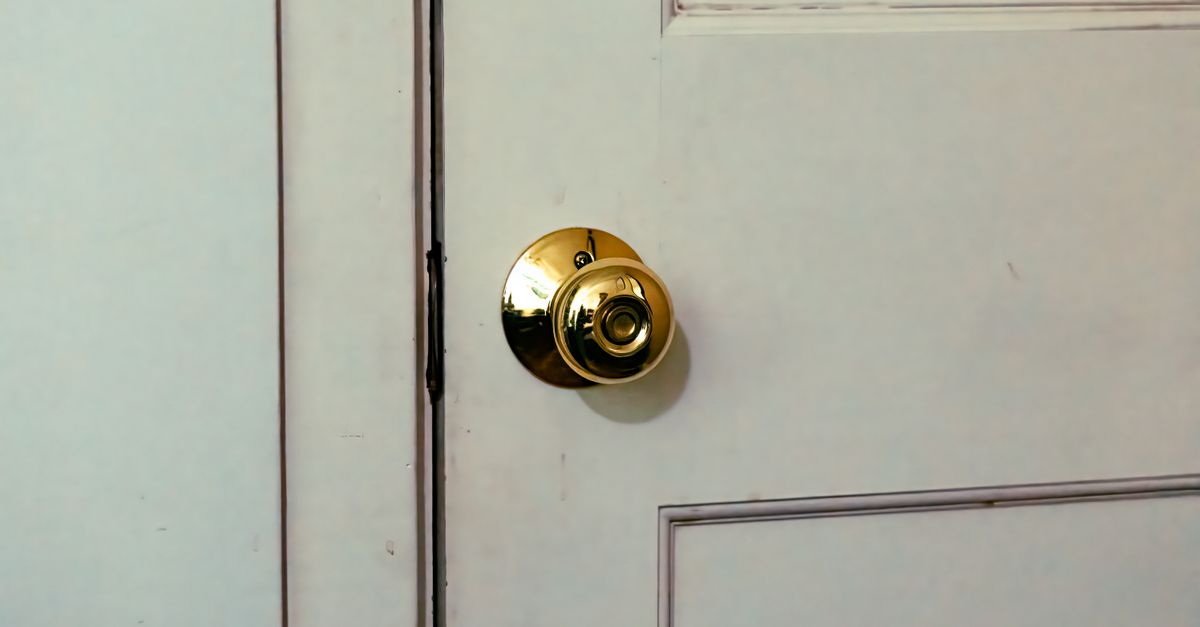
A door knob lock — sometimes called simply a knob lock — is the round, grip-and-twist hardware you'll find on the vast majority of interior and exterior residential doors across the country. The locking cylinder lives inside the knob itself. Turn the knob, and the spring latch retracts; push the button or twist the thumb-turn on the inside, and the lock engages. A door knob with lock and key adds a keyed cylinder on the exterior knob so you can lock and unlock from outside.
The convenience is real: knob locks are easy to operate, widely available, and simple to replace. But their security profile has a known weakness. Because the lock mechanism is housed in the knob, which protrudes from the door surface, it is physically vulnerable to shearing and forced removal in a way that a mortise lock simply is not. For an exterior door that is your primary line of defense, a standalone door knob with lock is rarely sufficient. Most security professionals recommend pairing it with a separate deadbolt at minimum — or considering a full mortise lock set upgrade if the door framing allows for it.
## Side-by-Side: Mortise Lock Security vs. Door Knob Lock Security
Here is where the practical difference matters most. A mortise lock anchors its mechanism inside the door's core, meaning the bolt engages into the frame with substantial steel backing it. The escutcheon plates are typically heavy gauge, and many mortise lock sets include an anti-drill pin, hardened steel inserts, and pick-resistant cylinders — features that are often optional add-ons on knob lock systems. For a front door on a Clearwater home, where humid Gulf Coast weather can also warp door frames over time and create subtle gaps, the structural integrity of a mortise lock offers a genuine advantage.
A door knob lock, on the other hand, is not without merit — especially for interior rooms, garages, and secondary access points where the threat level is lower. Modern Schlage and Kwikset knob locks, for instance, have improved significantly in terms of pick resistance and bump resistance. The key question is where you're using the lock and what level of forced-entry resistance you actually need. If your exterior door has only a knob lock and no deadbolt, that is worth addressing. An experienced locksmith can assess your door, your frame, and your specific risk profile and recommend whether a deadbolt addition, a mortise lock upgrade, or a different solution makes the most sense for your home.
If you're unsure which direction to go, this is exactly the kind of question our team answers every day. Call (704) 850-6756 — we're available around the clock, including weekends and holidays, and we'll give you a straight answer without any sales pressure.
## What Happens When You're Locked Out — and What to Do First
Getting locked out of a home secured by either a mortise lock or a door knob lock is stressful, but the process for resolving it safely is the same. First, check the obvious: a spare key with a trusted neighbor, a back door or window that may be unlocked (and safely accessible), or a garage entry if you have one. Do not attempt to force entry yourself — even with the best intentions, DIY forced entry causes damage to door frames, strike plates, and the lock hardware itself, and it can make a locksmith's job significantly more complex and costly. The question of how to pick a door knob lock is one that comes up online, but it is not a path we recommend for homeowners — the risk of damaging the lock mechanism or misapplying the technique is high, and it does nothing to address the underlying issue.
Once you've confirmed there's no safe alternative entry, call a professional. A trained locksmith will verify ownership — typically by asking for a photo ID and proof of address — before doing any work. This is standard practice and protects everyone. From there, a skilled locksmith can non-destructively open most residential locks, including both knob locks and mortise lock sets, using professional tools and techniques that preserve the hardware. In Clearwater, where late-night lockouts happen regularly near busy corridors like Gulf-to-Bay Boulevard, our mobile team can reach you quickly and resolve the situation cleanly.
## Choosing, Upgrading, or Rekeying Your Lock — What Clearwater Homeowners Should Know
Whether you've just moved into a home off Drew Street, had a key go missing, or simply want to upgrade from an aging door knob lock to a more robust mortise lock set, a full-service locksmith handles all of it — not just emergencies. Rekeying is often the right first step after a move or a lost key: a locksmith reconfigures the existing lock cylinder so that old keys no longer work, without replacing the entire hardware. It is faster and less disruptive than a full lock replacement.
If you're considering a full upgrade to a mortise lock, understand that it does involve modifying the door itself — cutting the mortise pocket and reinforcing the frame. This is skilled work that should be done by an experienced locksmith, not a general handyman, because an improperly cut mortise weakens the door. The final cost of any lock service depends on several factors: the type of lock and hardware selected, the condition of the existing door and frame, whether parts need to be sourced for a less common mortise lock set, the time of day you need service, and your location relative to our team. We always confirm an exact up-front price before any work begins, so there are no surprises. When you're ready to talk through your options or need help right now, call (704) 850-6756 — our team is available 24/7, and we serve the entire Clearwater area.
## Our Locksmith Services: What We Handle for Clearwater Homes and Businesses
A1 Clearwater Locksmith is a mobile, full-service locksmith operation — meaning we come to you, whether you are locked out at 2 a.m. or planning a scheduled security upgrade on a Tuesday afternoon. Here is a specific look at what our trained, insured team handles every day: residential lockout service, commercial lockout service, automotive lockout service, mortise lock installation, mortise lock repair, door knob lock installation and replacement, deadbolt installation, lock rekeying, master key system setup, high-security lock upgrades, lock cylinder replacement, broken key extraction, door hardware realignment, strike plate reinforcement, access control system installation, keypad and smart lock installation, garage door lock service, sliding door lock installation, window lock installation, mailbox lock replacement, safe opening and combination changes, file cabinet lock service, emergency locksmith response, car key duplication, transponder key programming, key fob replacement, ignition lock cylinder service, car key cutting, and commercial-grade mortise lock set installation for offices and retail spaces. If you do not see your specific need listed, call us — chances are we can help.
Frequently asked questions
How much does it cost to change a lock in Clearwater, FL?+
There is no single flat rate, because the final price depends on several real variables: the type of lock involved (a basic door knob lock replacement differs significantly from a full mortise lock set installation), the condition of your existing door and frame, whether any special parts need to be sourced, the time of day you need service, and your location within the Clearwater area. What we commit to is giving you an exact, confirmed price before any work begins — no hidden fees added after the job is done. Call (704) 850-6756 to describe your situation and get a clear quote.
Do you need any certifications to be a locksmith in Florida?+
Florida does not require locksmiths to hold a state-issued locksmith license the way some other states do, which is why it is important to choose a team based on verifiable experience, professionalism, and whether they are insured. Our team at A1 Clearwater Locksmith is insured and trained in the full range of residential, commercial, and automotive lock services. We always verify ownership before performing any work, which is a standard practice that separates professional locksmiths from individuals operating without accountability.
Should I tip my locksmith?+
Tipping is entirely optional and never expected. Our technicians are compensated fairly for their work, and the price you are quoted covers the full service. That said, if your locksmith went above and beyond — navigating a complex mortise lock repair late at night, treating your property with extra care, or explaining your options thoroughly — a tip is always appreciated as a personal gesture. The most valuable thing you can do, honestly, is leave an honest review if you had a good experience. It helps other Clearwater homeowners make informed decisions.
Is Clearwater, Florida a good place to live, and does location affect lock security needs?+
Clearwater is a genuinely appealing place to call home — the Gulf Coast weather, the waterfront access, and the mix of established neighborhoods and newer developments make it one of the more desirable areas on Florida's west coast. From a lock security standpoint, the humid, salt-air environment does affect hardware longevity. Metal components in door knob locks and mortise lock sets can corrode faster near the water, which means regular inspection and maintenance matter more here than in drier climates. If your locks are stiff, show surface rust, or have keys that no longer turn smoothly, that is a practical reason to have a locksmith evaluate the hardware — not just for security, but for reliable daily function.